
Cappadocia history begins with the landscape
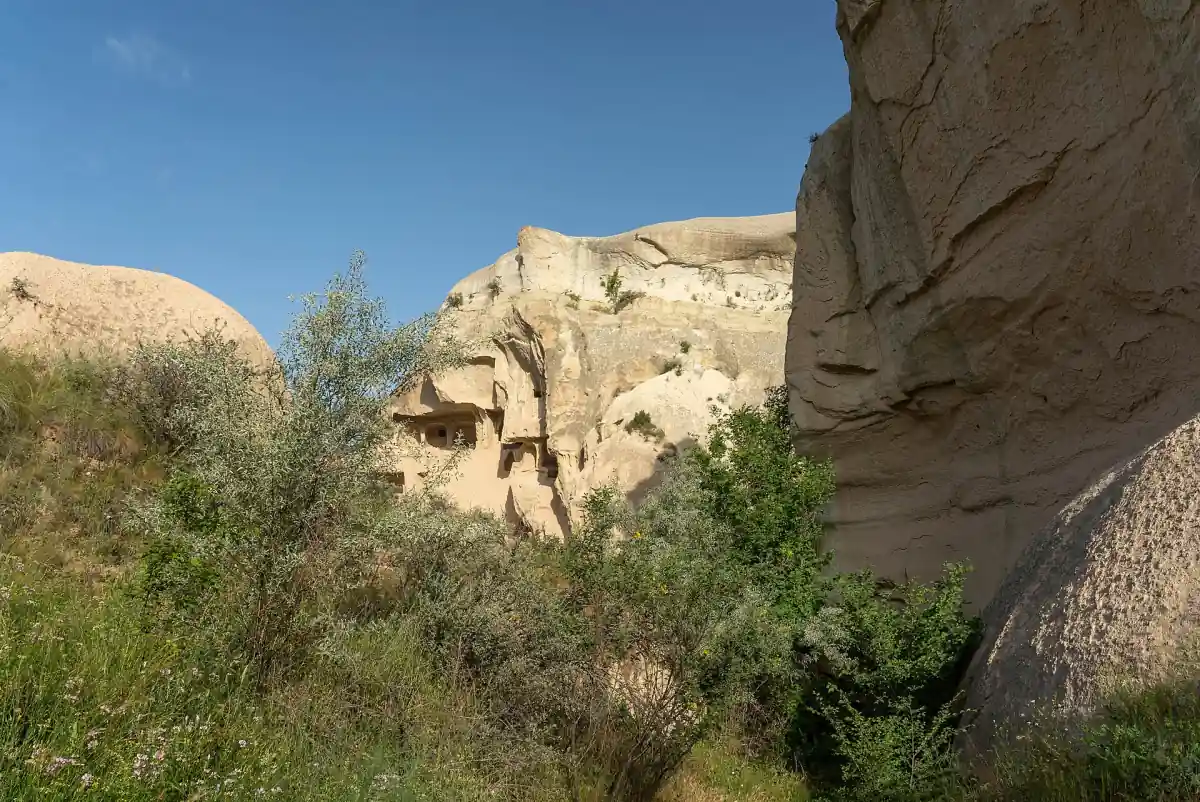
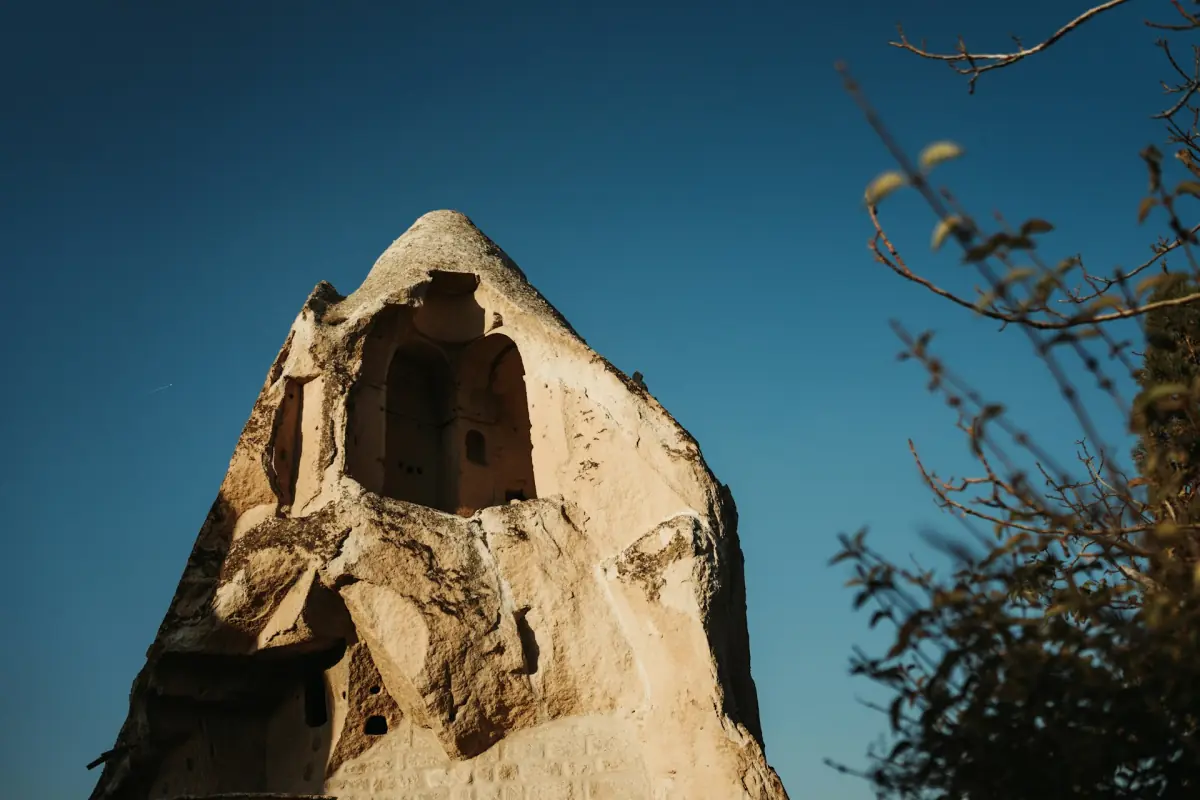
Cappadocia history is closely tied to the material of the region. On the central Anatolian plateau, volcanic deposits were shaped by erosion into valleys, ridges and fairy chimneys. People also shaped the rock, making dwellings, churches and underground spaces. Looking at natural forms and human-made openings together helps explain why the area is a cultural landscape rather than a collection of isolated monuments.
The history is spread across different places and functions. A church, a dining room and an underground passage answer different questions about life here. For a first cultural visit, decide which of those questions matters most to you before drawing a route. The sights overview helps locate the subjects, while this page connects monastic life, refuge and the changing meanings of protection.
Monastic life and rock churches
UNESCO traces early monastic communities to the fourth century. At Göreme Open Air Museum, churches, chapels, living spaces and dining rooms document monastic life from the fourth to the thirteenth century. The range of rooms matters as much as the individual church: shared living and eating spaces place religious activity within a community. Reading the architecture this way gives context to a visit focused on the painted interiors.
After the period of iconoclasm, richly painted rock churches developed in the region. That historical sequence should not become a single date for every church or every painting. Allow the spaces to represent different phases of use. The museum visitor guide handles admission and practical choices, including the Dark Church, so the history can remain distinct from the ticket decision.
Our picks: Private guided route
Our take: This private guided route can be agreed with the guide, with attraction tickets extra.
Hand-picked tours, booked through GetYourGuide. Prices are indicative starting prices in euros (as of November 2026). Tap a tour for live availability and the current price in your currency.
Explore history with a private guide
Arrange a historical route with a private vehicle, guide and hotel transfers; museum tickets, lunch and drinks are extra.
A private guide for a historical itinerary
The private customisable tour featured here provides a licensed professional guide and a private air-conditioned vehicle for a seven-hour outing. Hotel pickup and drop-off in Cappadocia, parking fees and local taxes are included. Museum and attraction tickets, lunch and drinks are extra. This is a way to arrange a historical focus with transport, rather than a ready-made package of admission to every place described on this page.
Agree on a route that links the kinds of sites you want to understand. A church-focused day and a route centred on underground refuges have different admission and access considerations. The private tour comparison helps distinguish packages by those inclusions. Choose the actual locations and the time available for them instead of treating a general history theme as a promise of a fixed museum circuit.
Historical refuges beneath the plateau
Later cave villages and underground settlements served as places of refuge. Derinkuyu and Kaymaklı are part of the UNESCO-listed landscape, but each has its own spaces and visitor setting. At Derinkuyu, storage rooms, wells, narrow connecting passages and closing stones provide concrete subjects to examine. These features help explain the function of the complex without requiring an exact founding date for every underground city.
Kaymaklı’s rooms include living and storage spaces, kitchens and a church, joined by narrow corridors. Its official description identifies eight levels, with four illuminated for visitors. That is a useful reminder that the historical extent of a structure and the visitor route are different things. The underground cities guide compares the two sites and the practical implications of travelling through their passages.
Rock architecture above ground
The rock mass at Uçhisar contains hollowed rooms and tunnels, while the neighbouring Güvercinlik Valley has historical pigeon houses. These places broaden the story beyond church art and underground refuge. They show different uses of the same landscape. The Uçhisar Castle guide separates the landmark, village setting and panorama stop, which is useful when translating historical interest into a realistic day of visits.
Avoid treating every opening in a cliff as evidence of the same activity. A room’s function and its relationship to neighbouring spaces matter. Equally, the continued use of old buildings as accommodation is a different chapter from monastic settlement. Keep the architectural observation specific to the place in front of you, and let a guide connect those details without collapsing all the region’s rock-cut heritage into one story.
UNESCO and the historical protection status
The area entered the World Heritage List in 1985 as mixed cultural and natural heritage. Its cave dwellings, churches, underground refuges and erosional landscape belong within that wider designation. The UNESCO property name retains the words Göreme National Park and the Rock Sites of Cappadocia. For a visitor, that name is useful for understanding the scope of the listed landscape, rather than reducing it to the paid museum alone.
A 2020 administrative report records that national park status was revoked on 22 October 2019. That is a historical administrative change and is distinct from World Heritage listing; the report is not a complete account of the current legal framework. For your own visits, follow current site access arrangements. Heritage recognition supplies context, while individual tickets, open visitor routes and the itinerary you choose determine the practical day.
Questions about your visit
When did monastic life develop here?
UNESCO traces early monastic communities to the fourth century. Göreme’s museum documents monastic life from the fourth to the thirteenth century.
Do the underground cities share one founding date?
Treat each complex individually. Their use as refuges is part of the regional story, rather than a reason to assign one exact founding date to them all.
Does the private tour include museum tickets?
The featured customisable tour includes the guide, private vehicle, hotel transfers, parking fees and local taxes. Museum and attraction admissions, lunch and drinks are extra.